The Backyard – RIP Mr. Tamiya
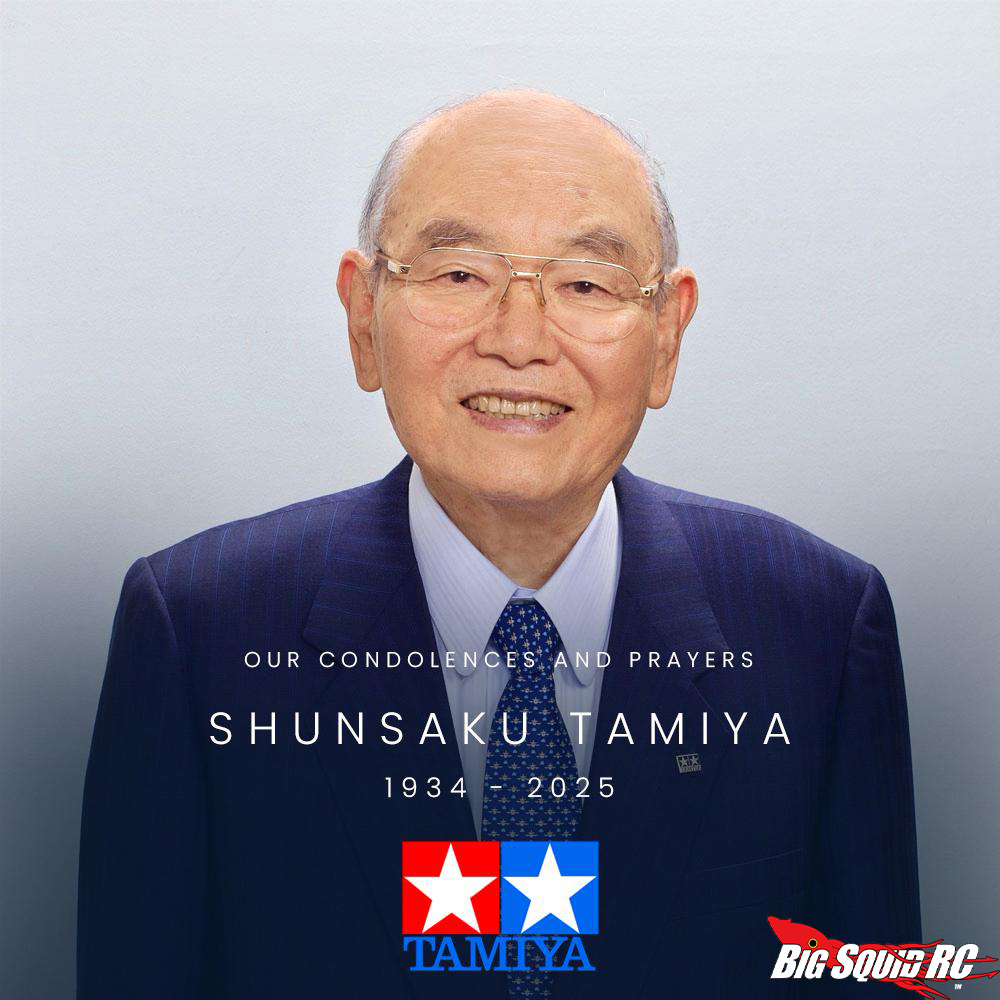
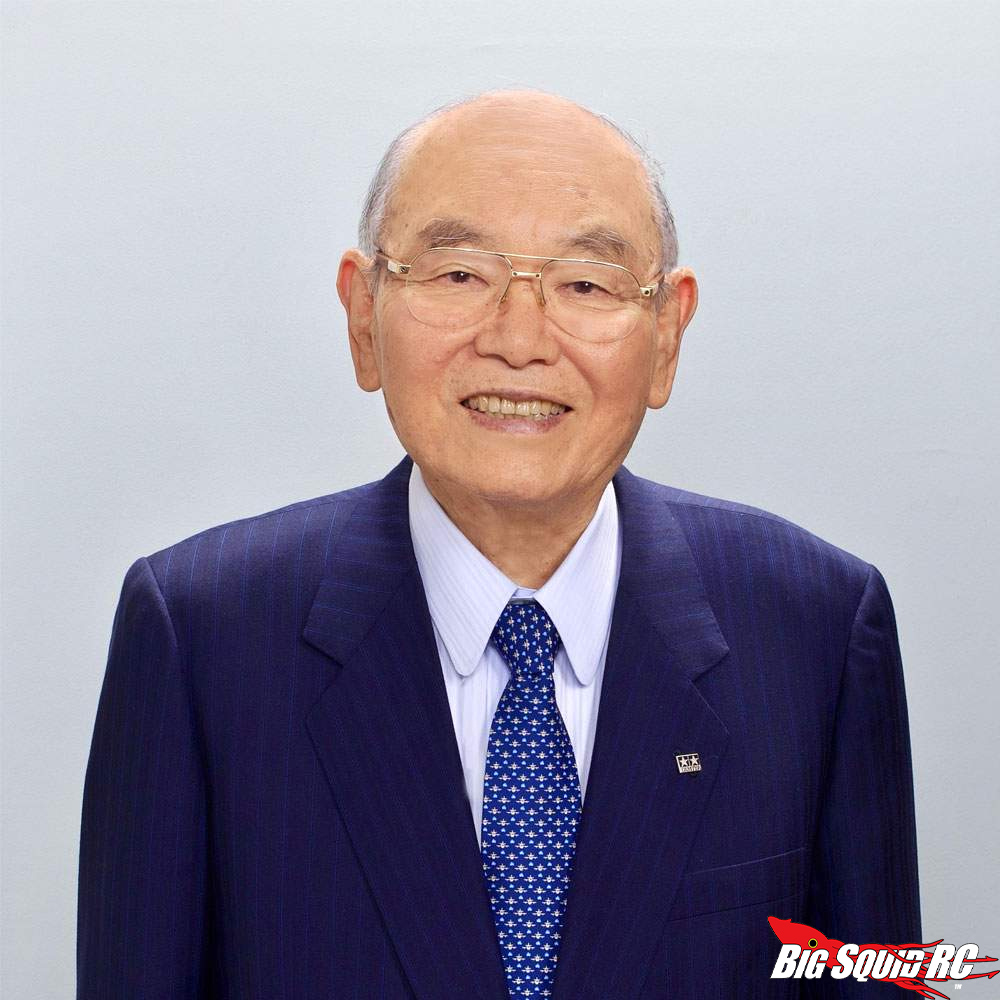
The RC world lost a true giant last week with the passing of Shunsaku Tamiya, the longtime chairman of Tamiya. Even if you’ve never touched a tube of cement or hand-painted a 1/35 tank commander, if you’re into radio control, odds are this man’s work touched your life — and your wallet — at some point.
Mr. Tamiya didn’t just run a company. He was a visionary who helped popularize scale modeling worldwide, and then, in the 1970s and ’80s, helped push radio control from fringe to mainstream. This is the guy behind some of the most iconic RC kits ever made — the Frog, the Grasshopper, the Hornet, and yep, my favorite release of all-time- the Clod Buster. These weren’t just cars; they were events in a box. You built them. You broke them. You rebuilt them. And most importantly, they made a whole generation fall in love with the hobby.
Tamiya’s genius was in making things that looked cool, worked well, and didn’t require a second mortgage. Everything was presented with this museum-grade sense of detail — from the box art to the instruction manuals. Even today, there’s just something about cracking open a Tamiya kit that feels special, and that’s no matter whether it’s a radio control kit, a static model, or even a set of their tools!
While other brands often chased raw speed or leaned into racing pedigree, Tamiya chased imagination — with a healthy dose of realism. Long before “scale” became “the thing” within the hobby, Tamiya was already doing it — and doing it well. That obsession with detail came straight from their roots in static scale modeling. They treated their RC kits like moving replicas, not just toys. Whether it was a fully-functional military tank, a rally car with door handles and wipers, or a semi-truck with functioning lights and sound, their machines looked real — because that was the point. Who else would mass-produce a 6-wheeled Tyrrell F1 car with a hard-body shell and period-correct decals? Tamiya made vehicles that sparked curiosity and made you want to build something — even if it didn’t break land speed records. That mindset helped shape an entire generation of hobbyists who cared just as much about the build as the bash.
But what really set Tamiya apart — and still does — is how approachable they made the building process. Their instruction manuals are legendary: clear, precise, and almost relaxing to follow, like putting together a high-end LEGO set with gears and grease. The parts fit together with that satisfying “click” that tells you it was engineered right the first time. For countless hobbyists, a Tamiya kit was the first time they turned a wrench — and crucially, it didn’t suck. You didn’t need a machinist’s background or a shop full of tools. All you needed was a Phillips screwdriver, some time, and maybe a little patience. Oh, and probably a bearing set, heh heh. And by the time that last wheel nut went on, you weren’t just someone who bought an RC car — you were someone who built one. That experience stays with people, and it’s a big reason why the Tamiya name still carries so much weight.
Rest in peace, Shunsaku Tamiya. Thank you for playing a massive part in shaping the hobby into what it is today!